Cart
0
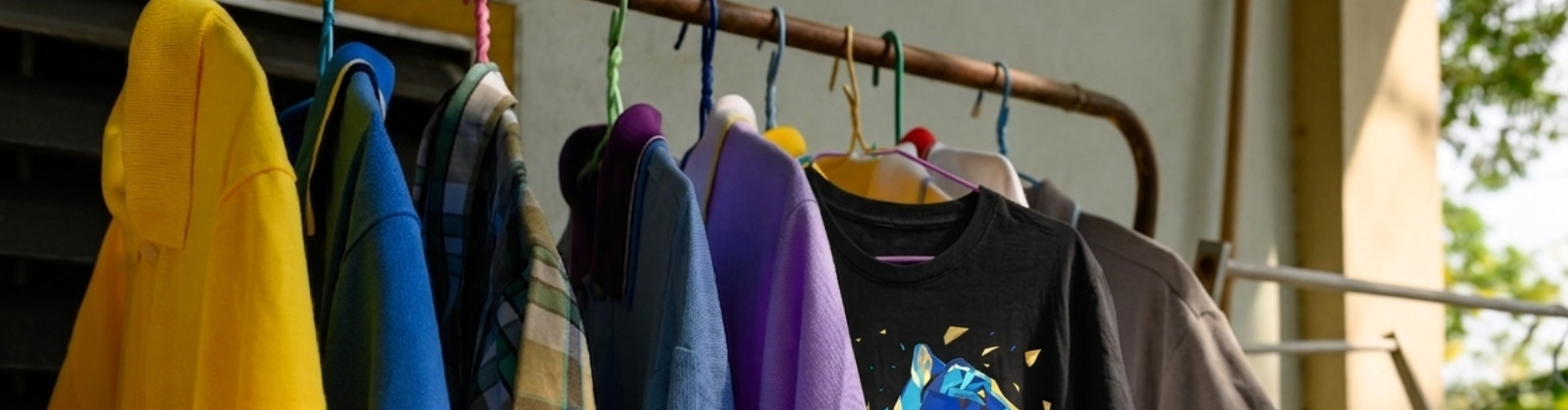
The fashion scene shifts subtly but significantly as April and May arrive on the Australian calendar. The "dry heat" of midsummer gives way to an unpredictable season with cool, crisp mornings in Melbourne, mild golden afternoons in Perth, and that persistent humidity in Brisbane.
The "Everyday Autumn Tee" has emerged as the Australian wardrobe's most durable item in 2026. In addition to comfort, choosing the right cloth nowadays considers sustainability, durability and regulation. Here is a professional analysis of how cotton, merino, and blends do in the particular Australian climate if you want to invest in your autumn rotation.
1. The Heavyweight Cotton Tee: The Structured Essential

A 100% cotton t-shirt is considered the best by many. But for fall, the industry has switched from summer’s thin “undershirt’s” weight (120-140 GSM) to heavyweight cotton (200-240 GSM).
▪ Why it works for autumn: Although cotton is naturally permeable, a greater GSM (Grams per Square Metre) gives it the structure it needs to keep a light autumn wind at bay. It provides a deliberate "boxy" appearance beneath an open denim or flannel jacket.
▪ The Industry Fact: Cotton Australia claims that the strength of our native cotton is well known around the world. Premium companies are focusing on "long-staple" fibers in 2026 because they are resistant to pilling after several washes and the feared "bacon neck" (sagging collar).
▪ Ideal for: People who want a clean, "streetwear" style and casual weekend ensembles.
2. Australian Merino Wool: The "Smart" Natural Fiber

Put aside your knowledge of scratchy winter jumpers. Nowadays, the most sought-after fabric for high-end Australian basics is ultra-fine Merino wool (17.5 to 18.5).
▪ Why it works for autumn: Merino is a "reactive" fiber, which is why it works for autumn. It has tiny air pockets that hold heat when you're cold and release it when the afternoon sun shines. For cities like Adelaide or Sydney, where the temperature can rise by 10°C in three hours, this makes it the ideal "commuter" fabric.
▪ The Performance Advantage: Merino is inherently antibacterial, in contrast to cotton. This is a huge victory for proponents of sustainable "slow fashion" because it resists odors, enabling you to wear it several times in between washes.
▪ Best for: Layering under blazers for work, travel, and those who value a soft, luxurious drape.
3. The Modern Blend: The Best of Both Worlds
In 2026, fabric technology has mastered the "hybrid." Blends like cotton-merino or cotton-Tencel™ are designed to solve the weaknesses of single-fiber garments.
▪ Why it works for Autumn: A 50/50 Cotton-Merino blend is a favorite for the "transitional" season. You get the familiar, rugged feel of cotton combined with the moisture-wicking and temperature-regulating properties of wool.
▪ The Sustainability Insight: Many Australian brands are now blending organic cotton with recycled polyester or hemp. These blends are significantly more durable, meaning the shirt won't lose its shape or "shrink up" in the dryer, a common frustration with pure cotton.
▪ Best for: Active lifestyles and those who want a "set and forget" shirt that handles both a hike and a pub lunch.
Final Thoughts
It's not necessary to play the guessing game of "too hot" or "too cold" when navigating the Australian fall. By carefully selecting your textiles, you're investing in a seasonal toolkit rather than simply a t-shirt. If you want dependable, low-maintenance durability and a streetwear edge, go with heavyweight cotton.